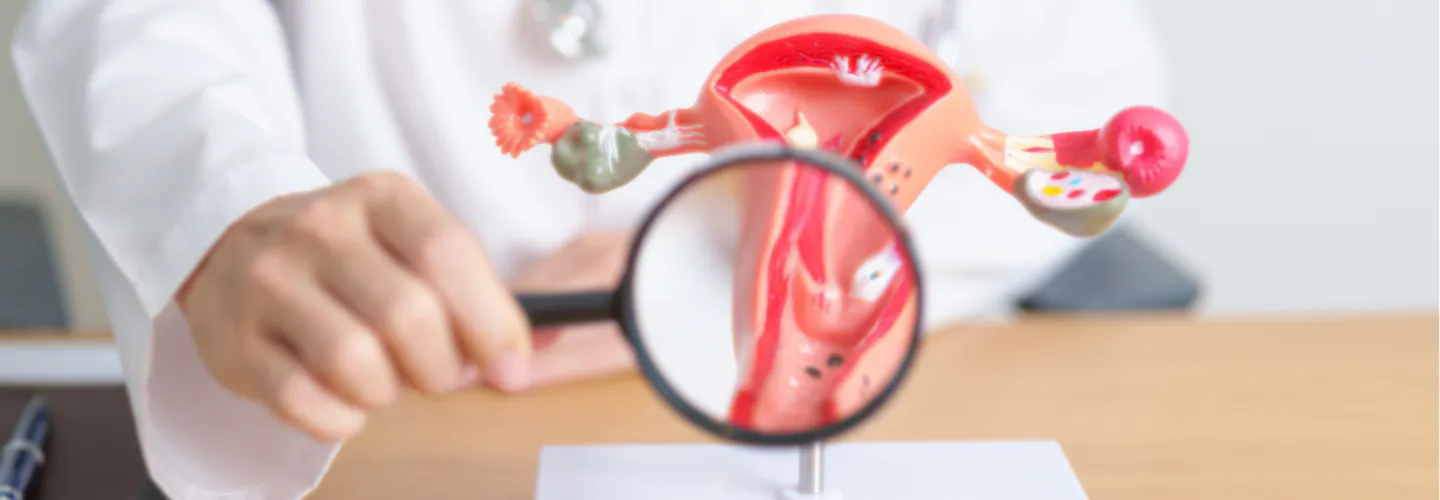
Diagnosing Uterine Fibroids
Uterine fibroids are often discovered during a routine pelvic exam. If your provider feels irregularities in the shape of your uterus, we may recommend further testing to confirm the diagnosis and determine the size and location of the fibroids.
- Ultrasound: This is typically the first step in diagnosis. It uses sound waves to get a picture of your uterus to confirm the presence of fibroids and map their location.
- Lab Tests: If you are experiencing heavy menstrual bleeding, we may perform a complete blood count (CBC) to check for anemia or other bleeding disorders.
- Advanced Imaging: In some cases, we may use an MRI to get more detailed images or Hysterosonography (saline infusion sonogram) to see the inside of the uterine cavity more clearly.
- Hysteroscopy: Your provider inserts a small, lighted telescope through the cervix into the uterus to examine the uterine walls and the openings of the fallopian tubes.
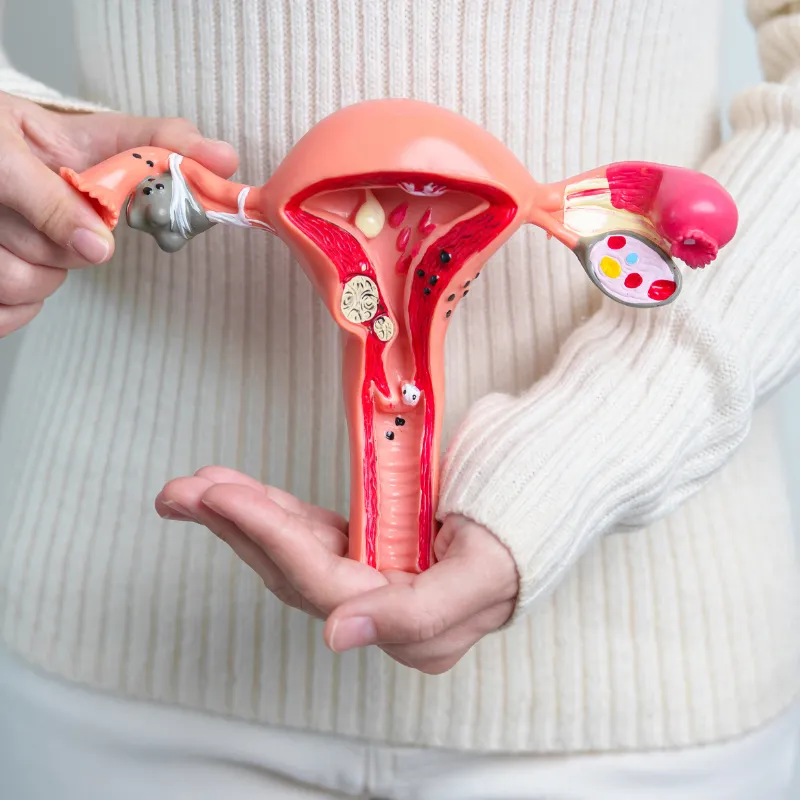
Recognizing the Signs of Fibroids
Many women have uterine fibroids without experiencing any symptoms. However, for those who do, the symptoms can be influenced by the location, size, and number of fibroids. Common indicators include:
- Heavy Menstrual Bleeding: Periods that require frequent changing of pads or tampons.
- Prolonged Periods: Menstrual cycles that last more than a week.
- Pelvic Pressure or Pain: A persistent feeling of fullness or discomfort in the pelvic region.
- Urinary Issues: Frequent urination or difficulty emptying the bladder.
- Constipation: Pressure on the rectum can interfere with normal bowel movements.
- Physical Aches: Backache or leg pains caused by pressure on nerves.
Comprehensive Care for the Concerns That Matter Most
Our providers offer a full range of gynecologic services — from routine preventive care to evaluation and treatment of specific health concerns. Click any item below to learn more.
- Annual or “well-woman” exams
- Adolescent gynecology
- Breast exams & breast pain
- Pap smears
- Colposcopy
- Contraception (hormonal and non-hormonal)
- IUD consultations, insertion, removal & management (Mirena, Paragard, Nexplanon)
- HPV vaccination (Gardasil)
- Management of abnormal Pap tests
- STD testing, information, and treatment
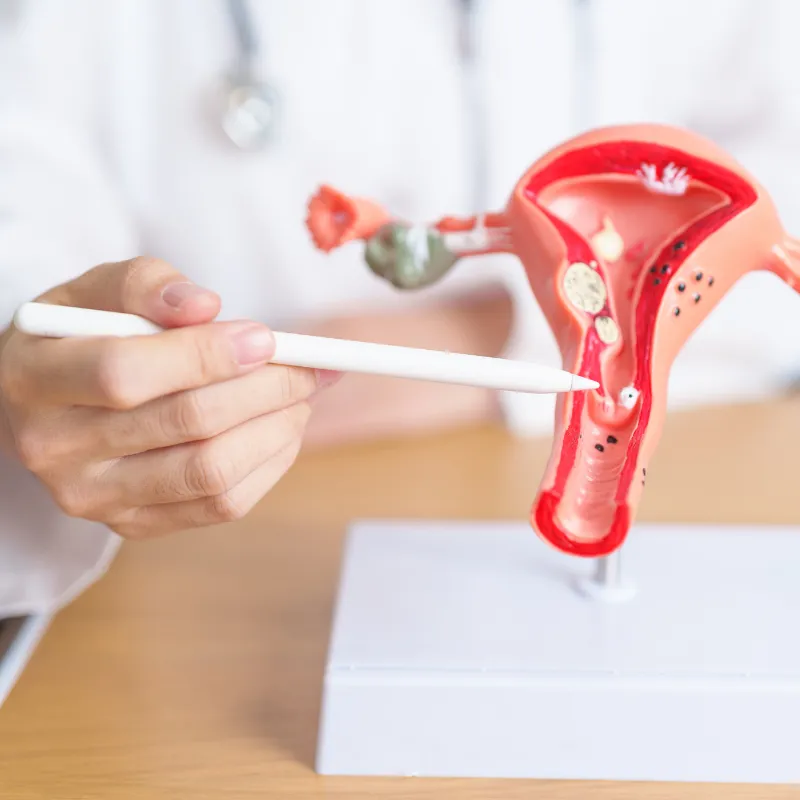
Choosing the Right Path Forward
We offer a full spectrum of treatment options, from conservative monitoring to surgical intervention. Your treatment plan will depend on your symptoms and whether you plan to become pregnant in the future.
Conservative & Medical Management:
- Watchful Waiting: If your fibroids are small and not causing symptoms, we may simply monitor them with regular exams.
- Hormonal Medications: GnRH agonists can help shrink fibroids by blocking estrogen and progesterone.
- Progestin-releasing IUD: This can relieve heavy bleeding caused by fibroids but does not shrink the fibroids themselves.
- Tranexamic Acid: A non-hormonal medication taken during your period to ease heavy bleeding.
Surgical and Minimally Invasive Procedures:
- Uterine Artery Embolization: Small particles are injected into the arteries supplying the uterus, cutting off blood flow to fibroids.
- Laparoscopic or Robotic Myomectomy: A minimally invasive procedure to remove fibroids while leaving the uterus intact.
- Hysteroscopic Myomectomy: Removal of fibroids located inside the uterus using a scope inserted through the cervix.
- Endometrial Ablation: A procedure to destroy the lining of the uterus to reduce heavy bleeding.
- Hysterectomy: The surgical removal of the uterus, which is the only permanent solution for uterine fibroids.
Frequently Asked Questions
Meet the Providers Who Care for You
Our entire OB/GYN team is here for your gynecologic care, at every location.



What Patients Are Saying