Protecting Your Future with Gardasil 9
Gardasil 9 is the only HPV vaccine used in the United States. It protects against nine types of the human papillomavirus that are most commonly associated with cancer and genital warts.
- The Consultation: Before administering the vaccine, we discuss your health history and explain the benefits of the screening. We answer any questions you or your child may have about the series.
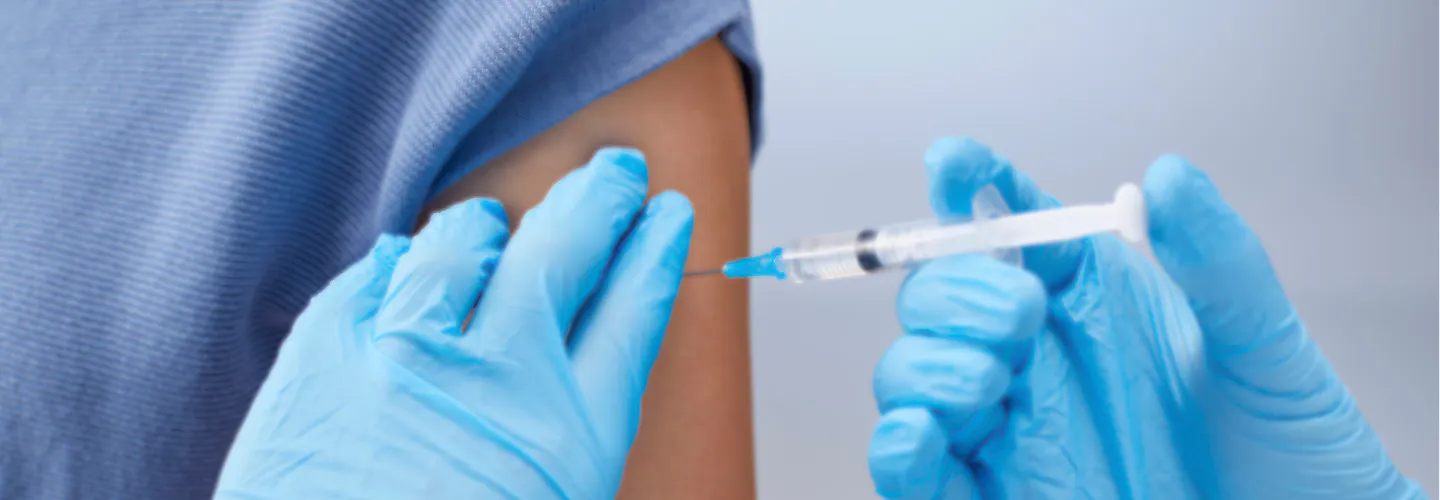
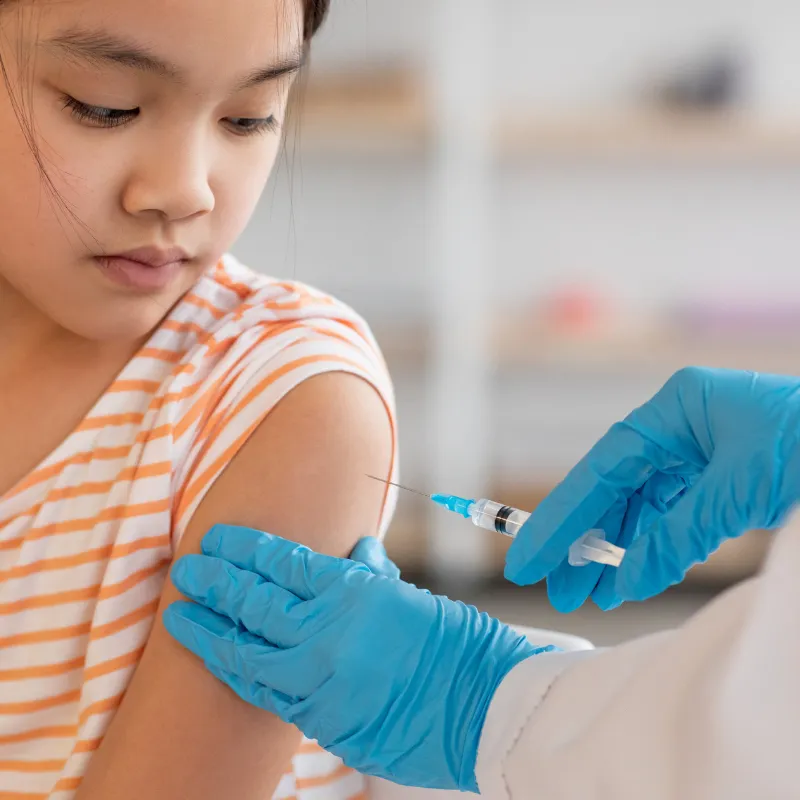
- The Injection: The vaccine is administered as an injection into the muscle of the upper arm or thigh. The process is quick and handled with care to minimize discomfort.
- The Series: Depending on the age at which the first dose is given, the vaccine is administered in a series of either two or three doses over a period of six months.
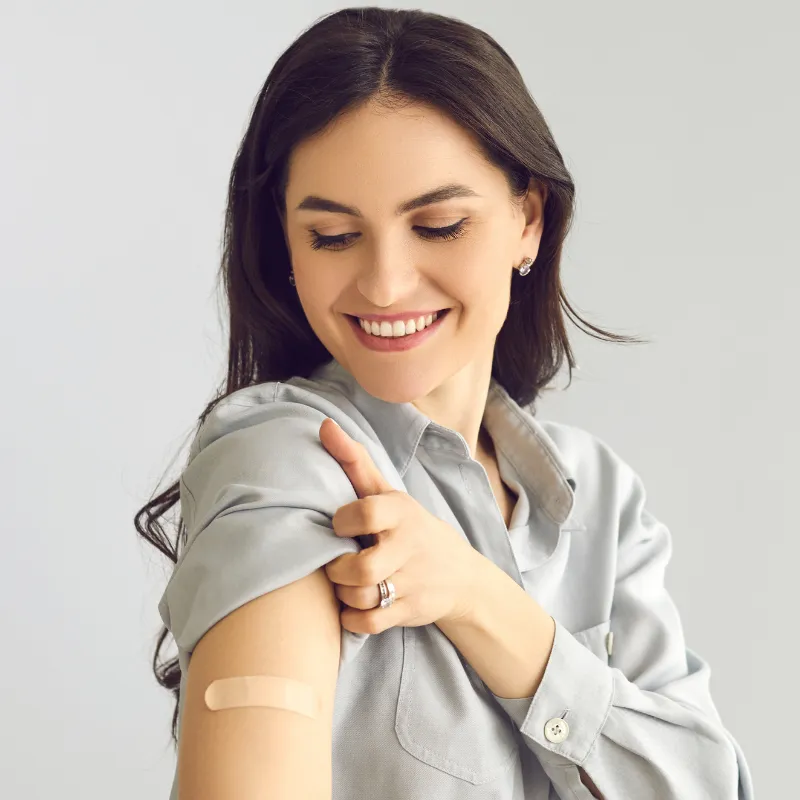
- Monitoring: After the injection, we may ask you to remain in the office for a few minutes for observation to ensure you feel well before leaving.
Recommended Ages and Guidelines
While the HPV vaccine is most effective when given at a younger age, it provides significant benefits for individuals through age 45.
- Children and Teens: The CDC recommends that the vaccine be administered at age 11 or 12, though it can be started as early as age 9.
- Young Adults: For those who did not receive the vaccine as children, “catch-up” vaccinations are recommended through age 26.
- Adults Age 27 to 45: While the vaccine is less effective if you have already been exposed to HPV, adults in this age range can still receive the vaccine after a discussion with their provider about their risk for new infections.
- Dosage Schedule: Those starting the series before age 15 typically need two doses. Those starting at age 15 or older require three doses.
Comprehensive Care for the Concerns That Matter Most
Our providers offer a full range of gynecologic services — from routine preventive care to evaluation and treatment of specific health concerns. Click any item below to learn more.
- Annual or “well-woman” exams
- Adolescent gynecology
- Breast exams & breast pain
- Pap smears
- Colposcopy
- Contraception (hormonal and non-hormonal)
- IUD consultations, insertion, removal & management (Mirena, Paragard, Nexplanon)
- HPV vaccination (Gardasil)
- Management of abnormal Pap tests
- STD testing, information, and treatment
Long-Term Health Protection
The human papillomavirus is so common that nearly all sexually active people will be infected at some point. The HPV vaccine is designed to prevent:
- Cervical Cancer: The vaccine protects against the strains of HPV that cause the vast majority of cervical cancer cases.
- Other Cancers: It also reduces the risk of vaginal and vulvar cancers in women, as well as anal cancer and certain throat cancers.
- Genital Warts: The vaccine is highly effective at preventing the specific HPV types that cause genital warts.
- Abnormal Pap Smears: By preventing infection, the vaccine reduces the likelihood of having abnormal Pap smear results and the need for follow-up procedures like colposcopy.
Frequently Asked Questions
Meet the Providers Who Care for You
Our entire OB/GYN team is here for your gynecologic care, at every location.



What Patients Are Saying